Office design is evolving faster than ever, blending functionality with innovation and aesthetics. Architects and interior designers are now tasked with creating workspaces that inspire productivity, foster collaboration and adjust seamlessly to a hybrid work model.
Below, we outline the top nine office trends for 2025, from when we collaborate with architects on office development projects. From sustainable materials to technology-driven solutions, read our full guide today.
Flexible Workspaces for Hybrid Models
The hybrid work model continues to shape how offices are used. Design trends in 2025 prioritise flexibility with spaces easily adaptable to a range of needs. Modular furniture, movable walls, hot desking and convertible meeting rooms are increasingly popular. For example, collapsible partitions allow companies to scale up meeting spaces or create secluded pods for focused work. Flexibility ensures spaces stay functional while meeting the changing needs of businesses.
Biophilic Design for Wellbeing
Nature-inspired office design, or biophilic design, remains a defining trend for 2025. From living walls to indoor gardens, the inclusion of plants and natural materials has been shown to improve mental wellbeing and productivity. Biophilia enhances air quality while fostering a soothing environment. Incorporating biophilic elements like reclaimed wood desks or large windows that maximise natural light. These features not only address employee wellbeing but also speak to a company’s commitment to sustainable office solutions.
Futuristic Technology in Lock Systems
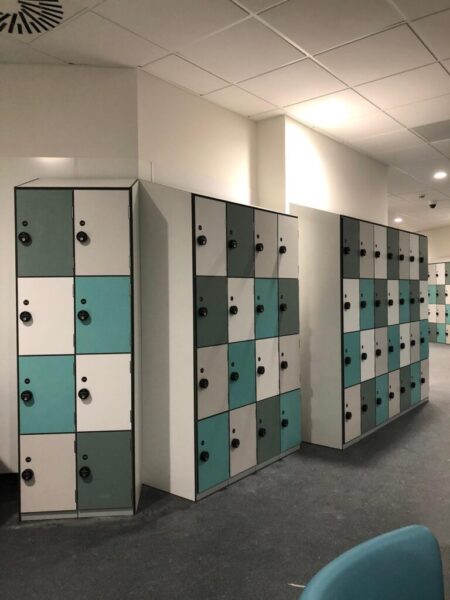
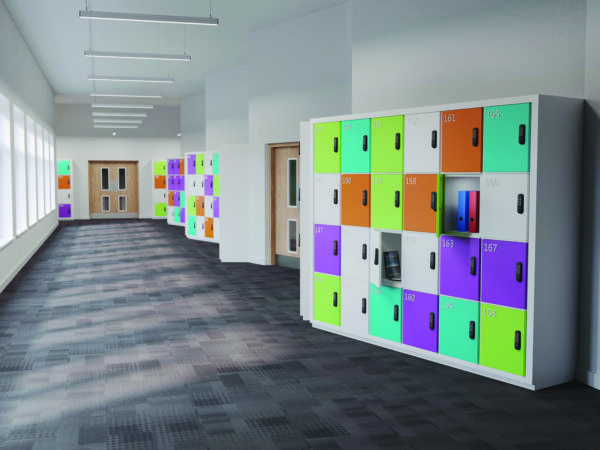
Security meets sleek design with the next generation of locker locks, exemplified by the ECHO Lock by Lowe & Fletcher. None of the modern design trends would be possible without secure and usable office lockers; they’re integral to modern interiors. The ECHO Lock stands out, powered entirely by the user’s smartphone and requiring no batteries. This not only
gives it a futuristic edge but also reduces electronic waste, aligning with sustainability goals.
For companies with agile working environments, personal lockers powered by advanced locks like ECHO offer unmatched convenience and style. Designers can integrate these smart locks into minimalist lockers, maintaining the aesthetics of high-end office interiors while enhancing security.
Sustainability at the Core
Sustainability is no longer an afterthought but a core principle of office design. Certification standards, such as BREEAM, are key benchmarks for modern offices. While not mandatory for all new UK buildings, it is often needed for local councils when signing off new types of developments, which can be used for large commercial purposes. Expect to see a rise in materials like recycled steel, eco-friendly composite woods and upcycled furniture pieces.
Designers should also consider using certified materials and energy-saving appliances. Not only do these choices appeal to eco-conscious clients, but they also protect your projects from quickly becoming outdated.
Collaborative Zones Inspired by Co-Working Spaces
Co-working spaces have heavily influenced office design, even for large organisations. Think open layouts with collaborative zones that spark creativity and encourage brainstorming. Adding writable walls, tech-enabled brainstorming stations and even small informal lounges will elevate an office’s functionality.
A balance of privacy and collaborative spaces is increasingly vital. Acoustic paneling can reduce noise without adding bulk, ensuring the mixture of zones looks harmonious while staying practical.
Essential to collaborative co-working spaces is quick and easy storage lockers for belongings created by forward thinking digital locks.
Bold Colour Schemes and Textures
After years of minimalism favouring neutral palettes, 2025 sees a return to bold and earthy tones. Shades like terracotta, deep greens and navy blues bring warmth to interiors, while textured elements like boucle chairs and terracotta bricks add depth.
Smart Workstations
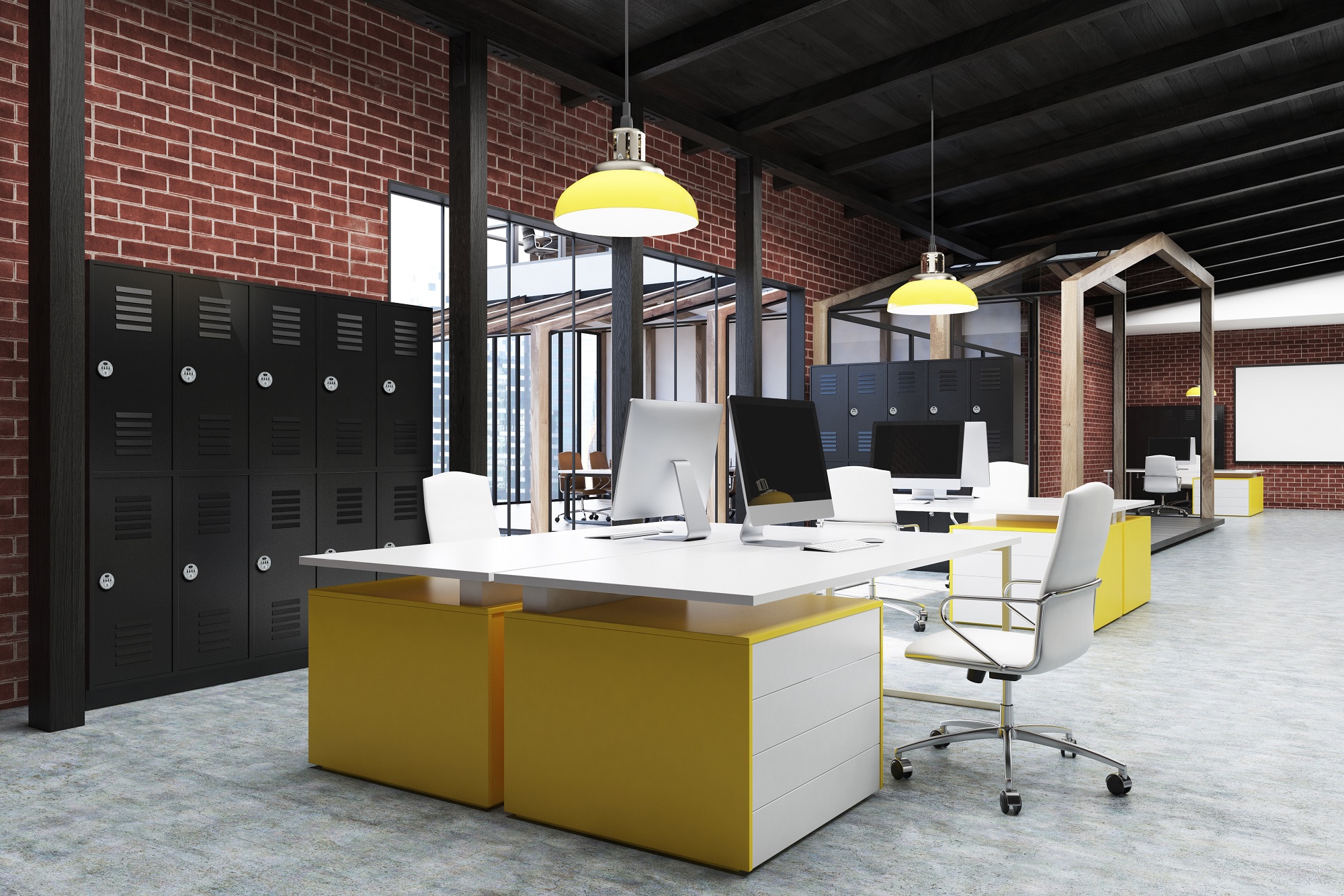
Technology-enabled workstations are becoming essential, especially in industries driven by innovation. Furniture designers now integrate wireless charging points, temperature-control features, and height-adjustment settings directly into desks.
Automated blinds, AI-driven temperature controls, and voice-command lighting further highlight the “smart office” concept, creating a futuristic and user-friendly environment.
By incorporating these cutting-edge trends into your projects, you can elevate office interiors to match modern expectations while maintaining a professional edge. From sustainable design to futuristic smart locks like the ECHO Lock, 2025 presents limitless opportunities to redefine the workplace experience. Invite progressive designs into your projects today.