Smart locks are transforming access management in a range of settings by combining convenience, security and cutting-edge technology. Their inherent versatility has seen smart locks become a security mainstay in various applications, from streamlining employee access in office environments to securing lockers in educational institutions and protecting belongings in leisure facilities.
Smart locks use a variety of power sources, including batteries, hardwiring and other emerging technologies. Each option comes with its own strengths, offering flexibility and suiting different needs. For instance, battery powered locks provide convenience, while hardwiring ensures a constant power supply.
However, Lowe & Fletcher’s latest advancements in smart lock design are introducing an even more sustainable and efficient solution, shaping the future of access management systems.
Are Battery Powered Smart Locks a Thing of the Past?
The selection of smart locking systems on the market is vast. In fact, the Lowe & Fletcher range alone consists of over 15 different products, while all of these systems are designed with the shared goal of achieving optimal performance and convenience for the end users, they also each have their own unique features that make them suited to specific use cases.
Many of today’s electronic locks rely on more traditional power sources to operate, including batteries or hard wiring, and while at first glance this may give the impression of systems that are less effective, or even considered ‘old tech’, the fact remains that even amongst the emergence advanced innovations in locking technology, these common power sources are still a staple of asset security, the key, is in the design.
Take for example Lowe & Fletcher’s Nimbus RFID Digital Combination Lock 3963, this lock ensures ease of installation without the need for hardwiring. This system offers up to 50,000 locking cycles with only 2 x AAA batteries. It also features cutting-edge RFID capabilities, allowing for seamless contactless access. Additionally, this lock is fully compatible with the RAS 2.0 management system, enabling efficient centralised control and monitoring.
This product demonstrates that despite being battery-powered, certain smart locking systems can still offer high levels of technological functionality as those powered by other means.
Battery Free Smart Lock
To address these challenges, Lowe & Fletcher’s ECHO lock offers a revolutionary, battery-free locking solution designed for modern needs.
Eliminating the need for disposable batteries and complex wiring, the ECHO lock operates using cutting-edge NFC technology. This eco-friendly functionality reduces maintenance, minimizes environmental impact and ensures long-lasting durability thanks to the lock’s ability to draw power from the connected mobile device.
Are there smart locks without batteries?
Absolutely, and we are proud to pioneer this technology. Perfect for forward thinking consumers, the ECHO lock combines innovation with convenience, offering a flexible and efficient security solution for a wide range of applications.
Buy the battery-free ECHO lock today
Potential Challenges of Traditional Power Sources
While battery-operated and hardwired locking systems have been widely used, unfortunately they are not without their challenges.
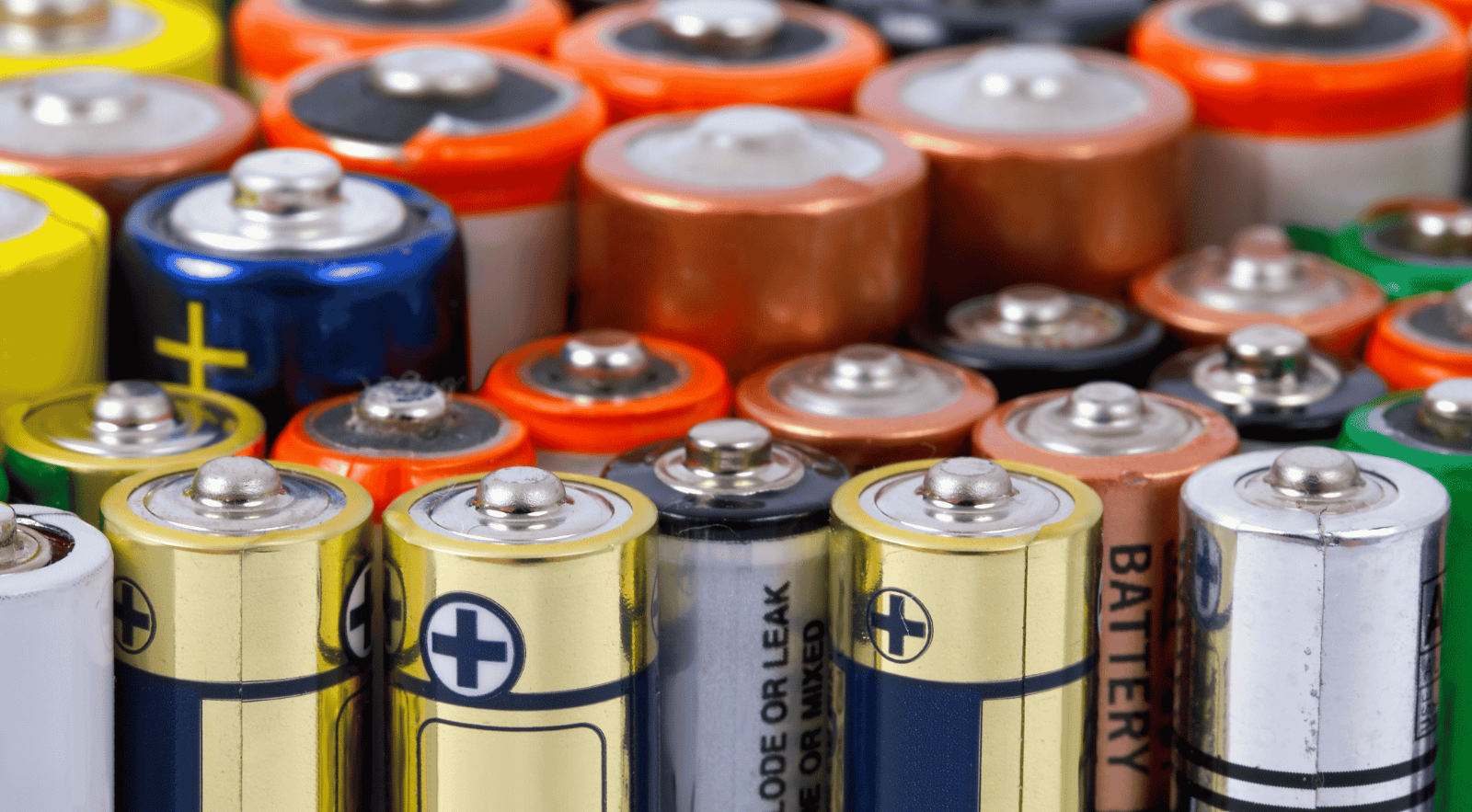
Battery-powered locks often require frequent maintenance to replace depleted batteries, which not only increases costs but also creates the inconvenience of unexpected failures when the power runs out.
Additionally, the environmental impact of regularly disposing of used batteries raises concerns about sustainability, as the waste generated contributes to pollution and resource depletion.
On the other hand, hardwired systems present a different set of issues. Firstly, given the requirement for hard wiring, these locks require more complex and time-intensive installation processes, often needing professional assistance and specialized tools.
Another factor to consider is that many of these locking systems are often integrated into a wider locking network, which as well as offering enhanced convenience, also presents the need for regular IT inspections, software updates and technical maintenance to ensure that the system is operating as intended and minimize any risks of a potential security breach.
Once installed, these systems then rely on continuous energy consumption to operate, which can significantly increase electricity usage over time. This dependence on a constant power supply makes them less adaptable to settings where energy may be unreliable or where flexibility is needed. The combination of these factors can quickly add up in terms of costs, there is the initial expense of the systems themselves, followed by the cost of installation, network integration and finally, maintenance.
How Do Battery-Free Smart Locks Work?
The ECHO Lock is a breakthrough in security technology, designed to operate without batteries by utilizing NFC technology to draw a small amount of power directly from your smartphone, activating the locking mechanism seamlessly.
This innovative design not only simplifies security but also promotes sustainability by eliminating the need for disposable batteries or constant mains power usage, making the ECHO Lock an eco-friendly choice for modern security needs.
Key Mechanisms Behind ECHO Battery-Free Locks
- NFC Technology: Near Field Communication (NFC) allows for data transfer between devices over short distances. It’s the same technology behind contactless payments like Apple Pay or Google Wallet.
- Energy Harvesting: Rather than relying on built-in power, ECHO captures the minimal energy required to operate directly from an NFC-enabled smartphone.
- Secure Tokenization: Each access request generates a one-time token, ensuring encrypted operation and government level security without the need for keys or passcodes. Once used, the token cannot be reused, enhancing security.
Advantages of Going Battery-Free
ECHO Locks provide a host of advantages, revolutionising access control solutions by eliminating the need for batteries. This innovative feature not only reduces maintenance costs and environmental impact but also ensures reliable, uninterrupted operation. With no batteries to replace, users can enjoy greater convenience and peace of mind, making the ECHO Lock a truly game-changing solution for modern security needs.
- Sustainability: By removing batteries, ECHO Locks significantly reduce electronic waste and the environmental footprint associated with traditional locking systems.
- Cost-Efficiency: Say goodbye to recurring expenses for battery replacements and maintenance. ECHO Locks provide a cost-effective alternative that reduces long-term operational costs.
- Reliability: Battery-powered locks can be prone to failure due to power depletion, but ECHO Locks eliminate this risk entirely. Their smart, battery-free mechanism ensures consistent performance and minimises the chances of downtime caused by power-related issues.
- Low Maintenance: Without batteries or wiring to replace, users benefit from simplified maintenance routines.
- User-Friendly: All you need is the ECHO app and your phone. No need to grab keys, passcodes or anything else, just a few taps and you’re done.
- Government-Level Security: ECHO uses Advanced Encryption Standard (AES) to protect your access, the same system used by governments worldwide. The security of your locker couldn’t be in safer hands.
Discover the Future of Locks with No Batteries
ECHO battery-free smart locks are transforming industries by offering innovative, sustainable and secure solutions.
Want to find out why they’re a perfect fit for your facility?