Integrated locking systems are transforming the way we secure businesses and industrial environments. With the rise of smart technology, these systems now go far beyond traditional keys and locks. But what trends are driving this change and what does the future of lock technology really look like?
In this blog, we explore the latest advancements in locking systems in 2025, the key trends shaping their future and how they are redefining security across the board.
What is an Integrated Digital Locking System?
Integrated locking systems, like our ECHO Lock product, connect smart security components into one cohesive system. Unlike traditional standalone locks, they work with other technologies like mobile apps to build the perfect integrated and manageable access control systems.
From fingerprint entry to app-controlled smart locks, integrated systems combine convenience, control and stronger protection. They are widely used in smart homes, commercial offices and secure industrial facilities.
Advances in Lock Technology in 2025
1. Smart Locks Leading the Market
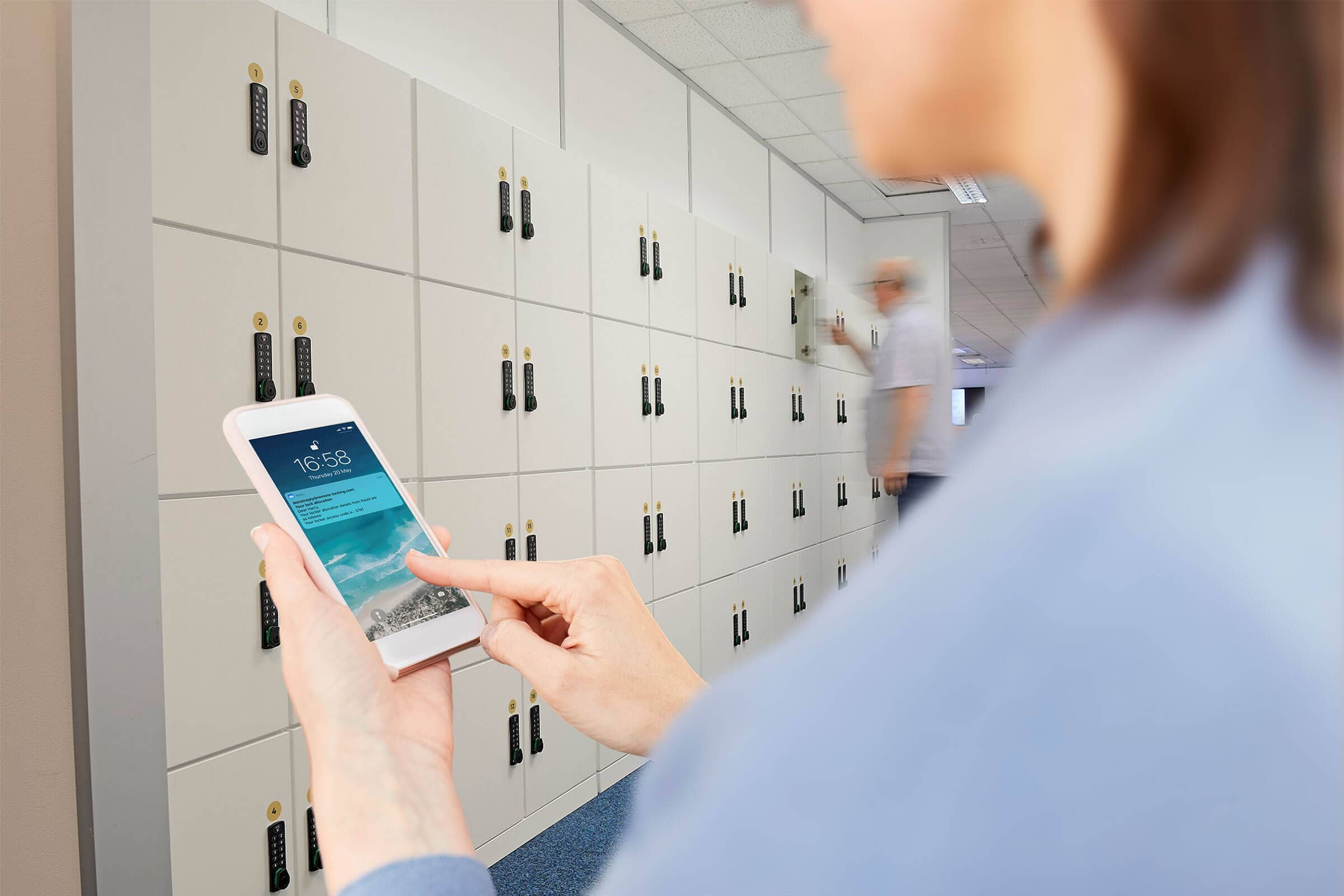
Smart locks are now a top choice for facility managers. They allow users to lock and unlock doors from their smart phone and give access managers the chance to monitor activity in real time and issue temporary access codes.
These features make smart locks ideal for both security and convenience. Remote control and monitoring are now standard expectations.
2. Sustainability
Modern locks can be powered without battery or mains connection. ECHO is powered by NFC energy harvesting technology which draws just enough power from a smartphone to lock and unlock the mechanism. The absence of batteries eliminates replacement needs and reduces e‑waste, while the NFC tap interface ensures smooth, secure user interaction.
3. IoT Integration Enhancing Connectivity
IoT-enabled locks are part of a larger connected security ecosystem. These locks can trigger cameras, alarms or system alerts when unusual activity occurs. Businesses benefit from features like access logs, remote user control and centralized management.
This level of integration offers stronger visibility and control compared to traditional access systems.
4. User Friendly Designs
User-friendly design is now essential. Smart locks often come with lock management systems like RAS offering access logs, settings control and emergency overrides. Intuitive interfaces reduce setup time and make ongoing management simple.
Clear menus, simple pairing and fast operation help reduce user friction and improve satisfaction.
What’s Next for Smart and Integrated Locks?
The next phase of innovation includes:
- Wearable unlocking devices like smart rings or badges
- Voice biometrics for access control
- Deeper AI and software integration
- Greater compatibility with facility management tools
Security will continue to evolve, becoming more connected, intuitive and adaptive. Whether you’re securing an industrial enclosure or protecting belongings in an office, integrated locking systems in 2025 offer smarter, stronger and more flexible protection. With innovations in biometrics, AI, IoT and sustainable design, locking systems are becoming more than just physical barriers
They are now intelligent tools that improve safety, control and peace of mind.